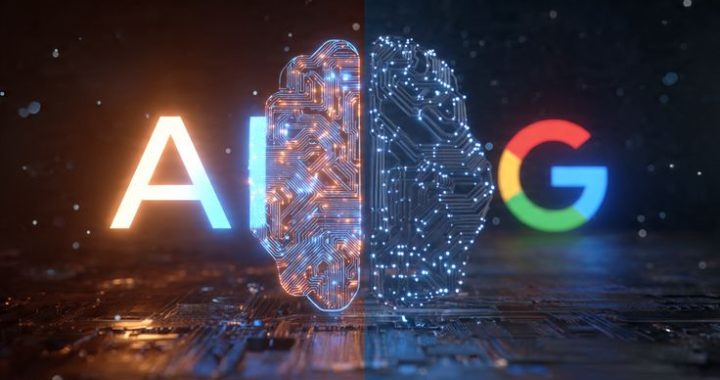
ChatGPT vs Google Search: What It Means for SEO in 2026

🔍 What is ChatGPT?

ChatGPT is an AI-powered chatbot that gives direct answers to user questions in a conversational way.

Instead of showing links, it:

  • Provides instant answers

  • Explains topics step-by-step

  • Feels like chatting with a human


🌐 What is Google Search?

Google Search is a search engine that shows a list of websites based on your query.

It:

  • Ranks web pages using SEO

  • Shows ads, snippets, and links

  • Lets users explore multiple sources


⚔️ ChatGPT vs Google Search (Key Differences)

Feature ChatGPT Google Search
Results Type Direct answers List of links
Speed Instant response Requires clicking links
Personalization High Medium
Source Visibility Limited High
SEO Impact Indirect Direct

👉 Simple Meaning:
ChatGPT gives answers, Google gives options.

🤖 How ChatGPT is Changing SEO

1. Less Clicks, More Direct Answers

Users now get answers without visiting websites.

👉 This leads to:

  • Zero-click searches increasing

  • Less organic traffic for some blogs


2. Content Quality Matters More Than Ever

AI tools prioritize:

  • Helpful content

  • Clear explanations

  • Real value

👉 Thin or keyword-stuffed content will not survive.


3. Conversational Keywords are Growing

People now search like they talk:

  • “How can I start blogging in India?”

  • “Which phone is best under ₹20,000?”

👉 Use long-tail, question-based keywords.


4. Authority & Trust are Crucial

AI models prefer:

  • Trusted websites

  • Expert-written content

  • Accurate information

👉 Build E-E-A-T (Experience, Expertise, Authority, Trust).


🌐 How Google Search is Evolving with AI

Google is not falling behind. It is integrating AI into search.

Example:

  • AI-generated summaries

  • Featured snippets

  • Voice search results

👉 Google is becoming more like ChatGPT.


📈 What This Means for SEO in 2026

✅ 1. SEO is NOT Dead

SEO is evolving, not disappearing.

You still need:

  • Keywords

  • Backlinks

  • Optimization


✅ 2. Focus on User Intent

Don’t just target keywords.
👉 Answer the real question behind the search.


✅ 3. Create Helpful, Human Content

Write like you’re explaining to a friend.

✔ Simple language
✔ Clear structure
✔ Practical examples


✅ 4. Optimize for AI + Search Engines

Your content should work for both:

  • Humans

  • Search engines

  • AI tools


🛠️ Best SEO Strategy for Beginners

Follow this simple plan:

Step 1: Choose Long-Tail Keywords

Example:
“how to earn money online in India for beginners”


Step 2: Write Problem-Solving Content

Answer real questions clearly.


Step 3: Use Proper Structure

  • Headings (H1, H2, H3)

  • Bullet points

  • Short paragraphs


Step 4: Add FAQs

Helps rank in voice search and snippets.


Step 5: Update Content Regularly

Fresh content ranks better.


❌ Common Mistakes to Avoid

  • Copy-pasting AI content

  • Ignoring user intent

  • Writing only for Google, not humans

  • Not optimizing for mobile users


📊 Future of SEO (2026 & Beyond)

The future is a mix of:

  • AI-powered search

  • Human creativity

  • Smart optimization

👉 Bloggers who adapt will win.


📌 FAQs

Q1. Will ChatGPT replace Google Search?

No. Both serve different purposes. Google is still essential for discovering websites.


Q2. Can ChatGPT help in SEO?

Yes! It helps with:

  • Content ideas

  • Keyword research

  • Writing assistance


Q3. Should I still start a blog in 2026?

Yes. Blogging is still profitable if done correctly.


🎯 Conclusion

ChatGPT vs Google Search is not a battle—it’s a shift.

  • ChatGPT = Quick answers

  • Google = Deep exploration

👉 For SEO success in 2026:

  • Focus on helpful content

  • Understand user intent

  • Use AI smartly


🔥 SEO Optimization (Bonus)

Meta Title:
ChatGPT vs Google Search: SEO Impact in 2026 (Beginner Guide)

Meta Description:
Learn how ChatGPT vs Google Search is changing SEO in 2026. Beginner-friendly guide with tips to rank higher and grow your traffic.

Focus Keyword:
ChatGPT vs Google Search

Slug:
chatgpt-vs-google-search-seo-2026

How AI is Changing SEO in 2026

Search Engine Optimization (SEO) is no longer just about keywords and backlinks. In 2026, Artificial Intelligence (AI) is transforming how websites rank, how users search, and how content is created.

 If you’re a beginner, don’t worry—this guide explains everything in a simple and friendly way so you can understand how AI is changing SEO and how you can take advantage of it.

🚀 What is AI in SEO?

AI in SEO means using smart tools and algorithms that can:

* Understand user intent
* Analyze massive data quickly
* Generate and optimize content
* Predict trends

 Search engines like Google now use AI to deliver more accurate and personalized results.

🔍 1. Search is Becoming Smarter (User Intent Matters More)

Earlier, SEO was about matching exact keywords.

 Now, AI understands:

* What users really mean
* Context behind the search
* Natural language queries

 Example:

 Instead of searching:

“best phone 2026”

 People now search:

 “Which phone is best for gaming under ₹30,000?”

 👉 This means you should write content that answers real questions, not just target keywords.

🤖 2. AI-Generated Content is Growing Fast

AI tools can now help create:

* Blog posts
* Product descriptions
* Social media content

 But here’s the catch:

 👉 **Google prefers helpful, human-friendly content**, not spammy AI text.

 What You Should Do:

* Use AI for ideas and drafts
* Add your personal experience
* Make content unique and helpful

📊 3. Voice Search & Conversational SEO

With voice assistants, people search differently:

* “Hey Google, how do I start a blog in India?”
* “What is the best way to earn money online?”

 👉 Your content should:

* Use simple language
* Answer questions clearly
* Include FAQ sections

🧠 4. AI Helps in Better Keyword Research

Modern SEO tools use AI to:

* Find low-competition keywords
* Suggest content ideas
* Analyze competitors

Beginner Tip:

 Focus on **long-tail keywords** like:

* “how to start blogging in India step by step”
* “best SEO tools for beginners free”

 These are easier to rank.

📈 5. Personalized Search Results

AI shows different results to different users based on:

* Location
* Search history
* Preferences

 👉 This means:

* Local SEO is more important
* Content should target specific audiences

⚡ 6. Featured Snippets & Zero-Click Searches

AI often answers questions directly on Google.

 Example:

* Definitions
* How-to steps
* Quick answers

 👉 To rank here:

* Use bullet points
* Write clear answers
* Add headings (H2, H3)

🔗 7. Quality Content is More Important Than Ever

AI can detect:

* Low-quality content
* Keyword stuffing
* Duplicate articles

 👉 Focus on:

* Helpful information
* Easy readability
* Real value

🛠️ 8. Top AI SEO Tools in 2026

Here are some beginner-friendly tools:

* ChatGPT (content ideas & writing)
* Surfer SEO (optimization)
* SEMrush (keyword research)
* Ahrefs (backlinks)

 💡 Simple SEO Strategy for Beginners (2026)

 Follow these steps:

1. Choose a low-competition topic
2. Use long-tail keywords
3. Write helpful, human-friendly content
4. Add headings and structure
5. Optimize for mobile users
6. Update content regularly

 ❌ Common Mistakes to Avoid

* Copying AI-generated content directly
* Ignoring user intent
* Keyword stuffing
* Not updating old content

🎯 Final Thoughts

 AI is not replacing SEO—it’s making it smarter.

If you focus on:

* Helping users
* Writing clear content
* Using AI tools wisely

 👉 You can still rank and grow your website in 2026.

📌 FAQs

 Q1. Is AI bad for SEO?

 No. AI is helpful if used correctly. It improves efficiency and research.

 Q2. Can beginners use AI for SEO?

 Yes! AI tools make SEO easier for beginners.

 Q3. Will AI replace bloggers?

 No. Human creativity and experience are still important.

🔥 Conclusion

SEO in 2026 is all about **quality, intent, and smart use of AI**.

Start small, stay consistent, and focus on helping your audience—that’s the real secret to ranking on Google.