SEO Mistakes Beginners Must Avoid

🚀 Why Avoiding SEO Mistakes is Important

SEO is not just about ranking—it’s about delivering value to users. Mistakes can lead to:

  • Lower search rankings
  • Poor user experience
  • High bounce rates
  • Penalties from Google

👉 Fixing these early can save months of lost traffic.


1. Ignoring Keyword Research

Many beginners skip keyword research and start writing content randomly.

Why it’s a problem:

You may target keywords that no one is searching for.

✅ Solution:

  • Use tools like Google Keyword Planner
  • Focus on long-tail keywords
  • Analyze search intent

2. Keyword Stuffing

Adding too many keywords in your content can hurt readability and rankings.

Why it’s bad:

Search engines see this as spam.

✅ Solution:

  • Use keywords naturally
  • Focus on content quality
  • Maintain proper keyword density

3. Low-Quality or Thin Content

Publishing short, unhelpful content won’t rank.

Why it’s harmful:

Search engines prioritize valuable and informative content.

✅ Solution:

  • Write in-depth articles (1000+ words)
  • Solve real user problems
  • Add examples and visuals

4. Not Optimizing for Mobile

Most users browse on mobile devices.

Problem:

A non-mobile-friendly site leads to poor rankings.

✅ Solution:

  • Use responsive design
  • Test your site on multiple devices
  • Improve mobile loading speed

5. Slow Website Speed

A slow website drives users away.

Impact:

Higher bounce rates and lower rankings.

✅ Solution:

  • Compress images
  • Use caching
  • Improve hosting quality

6. Ignoring On-Page SEO

Many beginners forget basic optimization.

Common mistakes:

  • Missing title tags
  • No meta descriptions
  • Improper heading structure

✅ Solution:

  • Optimize titles and meta descriptions
  • Use H1, H2, H3 properly
  • Add internal links

7. Not Building Backlinks

Backlinks are still a major ranking factor.

Problem:

No backlinks = low authority.

✅ Solution:

  • Guest posting
  • Create shareable content
  • Build relationships in your niche

8. Duplicate Content

Copying content from other sites can harm your SEO.

Risk:

Penalties from Google

✅ Solution:

  • Write original content
  • Use plagiarism check tools
  • Add unique value

9. Ignoring Technical SEO

Technical issues can block your site from ranking.

Examples:

  • Broken links
  • Crawl errors
  • Poor site structure

✅ Solution:

  • Fix broken links
  • Use XML sitemaps
  • Optimize robots.txt

10. Not Tracking Performance

If you don’t track results, you can’t improve.

Mistake:

Publishing content without analysis.

✅ Solution:

  • Use Google Analytics
  • Monitor traffic and rankings
  • Adjust strategy based on data

11. Ignoring User Experience (UX)

SEO is not just about search engines—it’s about users.

Issues:

  • Hard-to-read content
  • Poor navigation
  • Too many ads

✅ Solution:

  • Improve readability
  • Use clean design
  • Make navigation simple

12. Expecting Instant Results

SEO takes time.

Reality:

You won’t rank overnight.

✅ Solution:

  • Be consistent
  • Focus on long-term growth
  • Keep updating content

📈 Pro Tips for Beginners

  • Focus on quality over quantity
  • Update old content regularly
  • Use internal linking
  • Optimize images with ALT tags
  • Stay updated with SEO trends

Conclusion

Avoiding common SEO mistakes is the first step toward building a successful website. Focus on creating valuable content, optimizing your site properly, and following ethical SEO practices.

Remember, SEO is a long-term game—but done right, it delivers powerful and sustainable results.


Frequently Asked Questions (FAQ)

1. What is the most common SEO mistake beginners make?

Ignoring keyword research is one of the biggest mistakes beginners make.


2. How long does SEO take to show results?

SEO usually takes 3 to 6 months to show noticeable results.


3. Is keyword stuffing still effective?

No, keyword stuffing is outdated and can lead to penalties from Google.

4. Why is mobile SEO important?

Most users access websites via mobile, and search engines prioritize mobile-friendly sites.


5. What are backlinks in SEO?

Backlinks are links from other websites to your site, helping improve authority and rankings.


6. Can I do SEO without tools?

Yes, but tools like Google Keyword Planner and Google Analytics make the process easier and more effective.


7. What is duplicate content?

Duplicate content is content that appears on multiple websites or pages, which can harm rankings.
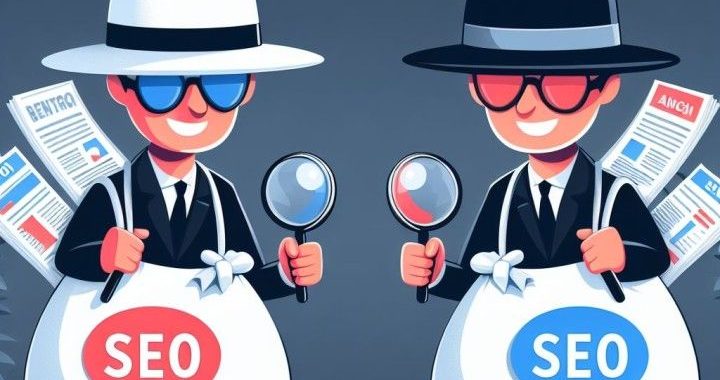




White Hat vs Black Hat SEO Techniques

🔍 What is White Hat SEO?

White Hat SEO refers to ethical optimization techniques that follow the guidelines set by search engines like Google. These methods focus on providing value to users and building long-term credibility.

Key Characteristics:

  • Follows search engine guidelines
  • Focuses on user experience
  • Builds long-term results
  • Safe from penalties

📈 Common White Hat SEO Techniques:

  • High-quality content creation
  • Keyword research and proper usage
  • On-page optimization (meta tags, headings)
  • Mobile-friendly website design
  • Improving website speed
  • Earning backlinks naturally
  • Using structured data (schema markup)

👉 Example: Writing helpful blog content that answers user queries.


What is Black Hat SEO?

Black Hat SEO involves unethical practices that attempt to manipulate search engine algorithms to gain quick rankings.

These techniques violate guidelines and can result in penalties or even complete removal from search results.

Key Characteristics:

  • Focuses on quick results
  • Ignores search engine rules
  • High risk of penalties
  • Poor user experience

🚫 Common Black Hat SEO Techniques:

  • Keyword stuffing
  • Cloaking (showing different content to users and search engines)
  • Buying backlinks
  • Hidden text or links
  • Duplicate or scraped content
  • Link farms

👉 Example: Repeating the same keyword excessively to rank higher.


⚖️ White Hat vs Black Hat SEO: Key Differences

Feature White Hat SEO 🟢 Black Hat SEO ⚫
Approach Ethical & user-focused Manipulative & deceptive
Risk Level Low Very high
Results Long-term Short-term
Google Compliance Yes No
Penalties No Yes

🚀 Why White Hat SEO is the Better Choice

While Black Hat SEO may promise quick wins, it comes with serious risks.

Benefits of White Hat SEO:

  • Sustainable rankings
  • Builds trust and authority
  • Better user engagement
  • Safe from algorithm updates
  • Long-term traffic growth

Search engines like Google continuously update their algorithms to detect and penalize manipulative tactics.


⚠️ Risks of Black Hat SEO

Using Black Hat techniques can harm your website in several ways:

  • Sudden drop in rankings
  • Manual penalties from Google
  • De-indexing (removal from search results)
  • Loss of credibility and traffic

Recovering from penalties can take months—or even years.


🧠 Grey Hat SEO: The Middle Ground?

Grey Hat SEO lies between White and Black Hat techniques. It includes practices that are not clearly against guidelines but still risky.

Examples:

  • Clickbait titles
  • Slight content duplication
  • Aggressive link-building

👉 While tempting, Grey Hat strategies can still lead to penalties if overused.


🛠️ How to Stay Safe with SEO in 2026

To build a successful SEO strategy, follow these best practices:

  • Focus on high-quality, original content
  • Optimize for user intent, not just keywords
  • Improve website performance and mobile experience
  • Build backlinks organically
  • Stay updated with algorithm changes
  • Avoid shortcuts and “quick win” tricks

📈 Real-World Strategy for Long-Term Growth

Instead of chasing fast results, build a strong foundation:

  1. Create valuable, informative content
  2. Optimize your website technically
  3. Promote content through ethical marketing
  4. Build authority over time

👉 SEO is a marathon, not a sprint.


Conclusion

When comparing White Hat vs Black Hat SEO, the choice is clear. White Hat SEO offers sustainable growth, long-term rankings, and a trustworthy online presence.

Black Hat techniques might deliver quick results, but the risks far outweigh the benefits. If you want lasting success, stick to ethical practices and focus on providing value to your audience.


Frequently Asked Questions (FAQ)

1. What is the main difference between White Hat and Black Hat SEO?

White Hat SEO follows search engine guidelines and focuses on users, while Black Hat SEO manipulates algorithms for quick rankings.


2. Is Black Hat SEO illegal?

Black Hat SEO is not illegal, but it violates search engine rules and can result in penalties or removal from search results.


3. Can Black Hat SEO give quick results?

Yes, it can provide short-term ranking boosts, but these gains are usually temporary and risky.


4. Does Google penalize Black Hat SEO?

Yes, Google can penalize or de-index websites that use Black Hat techniques.


5. What is Grey Hat SEO?

Grey Hat SEO includes techniques that are not strictly against rules but still carry some risk.


6. Which SEO technique is best for beginners?

White Hat SEO is the best choice for beginners because it is safe, sustainable, and effective in the long run.


How to Improve Website Speed for Better Rankings

🚀 Why Website Speed Matters for SEO

Search engines prioritize user experience, and speed plays a major role in that. Faster websites:

  • Rank higher in search results
  • Reduce bounce rates
  • Increase user engagement
  • Improve conversion rates

If your website takes more than 3 seconds to load, many users will leave before even seeing your content.


⚡ Key Factors That Affect Website Speed

Understanding what slows down your site is the first step to fixing it. Common factors include:

  • Large image files
  • Poor hosting performance
  • Too many plugins or scripts
  • Unoptimized code (HTML, CSS, JavaScript)
  • Lack of caching
  • No Content Delivery Network (CDN)

🔧 1. Optimize Your Images

Images often make up the majority of a webpage’s size.

How to fix it:

  • Compress images using tools like TinyPNG or ImageOptim
  • Use modern formats like WebP
  • Resize images before uploading
  • Enable lazy loading

👉 Result: Faster loading without sacrificing quality


🌐 2. Use a Fast and Reliable Hosting Provider

Your hosting provider plays a huge role in your website’s speed.

Tips:

  • Choose SSD-based hosting
  • Use managed hosting if possible
  • Avoid cheap shared hosting for high-traffic sites

👉 A good host can reduce load time by seconds.


🧠 3. Enable Browser Caching

Caching stores parts of your website in users’ browsers so they don’t have to reload everything each time.

Benefits:

  • Faster repeat visits
  • Reduced server load

You can enable caching through plugins or server settings.


📦 4. Minify CSS, JavaScript, and HTML

Minification removes unnecessary characters (spaces, comments) from code.

Tools:

  • Minify via plugins (WordPress users)
  • Use build tools like Gulp or Webpack

👉 Result: Smaller file sizes and faster load times


🌍 5. Use a Content Delivery Network (CDN)

A CDN stores your website content on multiple servers worldwide.

Benefits:

  • Faster loading for global users
  • Reduced latency
  • Improved reliability

Popular CDN providers include Cloudflare and AWS CloudFront.


🔄 6. Reduce HTTP Requests

Each element on your page (images, scripts, styles) creates a request.

How to reduce them:

  • Combine CSS and JavaScript files
  • Remove unnecessary plugins
  • Use simple design elements

👉 Fewer requests = faster load time


📱 7. Optimize for Mobile Devices

Most users browse on mobile, so your site must perform well on smaller screens.

Tips:

  • Use responsive design
  • Avoid heavy popups
  • Optimize fonts and buttons

📊 8. Improve Core Web Vitals

Core Web Vitals are key performance metrics that impact rankings:

  • Largest Contentful Paint (LCP) – loading speed
  • First Input Delay (FID) – interactivity
  • Cumulative Layout Shift (CLS) – visual stability

How to improve:

  • Optimize images and fonts
  • Reduce JavaScript execution time
  • Use proper layout sizing

🔌 9. Limit Plugins and Third-Party Scripts

Too many plugins can slow down your site significantly.

Best practices:

  • Remove unused plugins
  • Use lightweight alternatives
  • Avoid too many tracking scripts

🧪 10. Test Your Website Speed Regularly

You can’t improve what you don’t measure.

Use tools like:

  • Google PageSpeed Insights
  • GTmetrix
  • Pingdom

Check your performance regularly and fix issues as they arise.


📈 Bonus Tips for Faster Websites

  • Enable GZIP compression
  • Use HTTP/2 or HTTP/3
  • Optimize database regularly
  • Preload important resources

✅ Conclusion

Improving website speed is one of the most effective ways to boost your SEO rankings and user experience. Even small optimizations can lead to significant performance gains.

Start by optimizing images, upgrading hosting, and enabling caching. Then move on to advanced techniques like CDN usage and Core Web Vitals optimization.

A fast website doesn’t just rank better—it keeps users happy and drives more conversions.


Frequently Asked Questions (FAQ)

1. What is a good website loading speed?

A good website should load within 2–3 seconds. Ideally, under 2 seconds is best for both user experience and SEO rankings.


2. Does website speed really affect SEO rankings?

Yes, website speed is a confirmed ranking factor. Search engines like Google prioritize fast-loading websites because they provide a better user experience.


3. How can I check my website speed?

You can test your website speed using tools like:

  • Google PageSpeed Insights
  • GTmetrix
  • Pingdom

These tools also give suggestions to improve performance.


4. What slows down a website the most?

Common factors include:

  • Large, unoptimized images
  • Slow hosting servers
  • Too many plugins or scripts
  • Heavy CSS and JavaScript files

5. What are Core Web Vitals?

Core Web Vitals are performance metrics used by Google to measure user experience. They include:

  • LCP (Largest Contentful Paint) – loading speed
  • FID (First Input Delay) – responsiveness
  • CLS (Cumulative Layout Shift) – visual stability

ChatGPT vs Google Search: What It Means for SEO in 2026

🔍 What is ChatGPT?

ChatGPT is an AI-powered chatbot that gives direct answers to user questions in a conversational way.

Instead of showing links, it:

  • Provides instant answers

  • Explains topics step-by-step

  • Feels like chatting with a human


🌐 What is Google Search?

Google Search is a search engine that shows a list of websites based on your query.

It:

  • Ranks web pages using SEO

  • Shows ads, snippets, and links

  • Lets users explore multiple sources


⚔️ ChatGPT vs Google Search (Key Differences)

Feature ChatGPT Google Search
Results Type Direct answers List of links
Speed Instant response Requires clicking links
Personalization High Medium
Source Visibility Limited High
SEO Impact Indirect Direct

👉 Simple Meaning:
ChatGPT gives answers, Google gives options.


🤖 How ChatGPT is Changing SEO

1. Less Clicks, More Direct Answers

Users now get answers without visiting websites.

👉 This leads to:

  • Zero-click searches increasing

  • Less organic traffic for some blogs


2. Content Quality Matters More Than Ever

AI tools prioritize:

  • Helpful content

  • Clear explanations

  • Real value

👉 Thin or keyword-stuffed content will not survive.


3. Conversational Keywords are Growing

People now search like they talk:

  • “How can I start blogging in India?”

  • “Which phone is best under ₹20,000?”

👉 Use long-tail, question-based keywords.


4. Authority & Trust are Crucial

AI models prefer:

  • Trusted websites

  • Expert-written content

  • Accurate information

👉 Build E-E-A-T (Experience, Expertise, Authority, Trust).


🌐 How Google Search is Evolving with AI

Google is not falling behind. It is integrating AI into search.

Example:

  • AI-generated summaries

  • Featured snippets

  • Voice search results

👉 Google is becoming more like ChatGPT.


📈 What This Means for SEO in 2026

✅ 1. SEO is NOT Dead

SEO is evolving, not disappearing.

You still need:

  • Keywords

  • Backlinks

  • Optimization


✅ 2. Focus on User Intent

Don’t just target keywords.
👉 Answer the real question behind the search.


✅ 3. Create Helpful, Human Content

Write like you’re explaining to a friend.

✔ Simple language
✔ Clear structure
✔ Practical examples


✅ 4. Optimize for AI + Search Engines

Your content should work for both:

  • Humans

  • Search engines

  • AI tools


🛠️ Best SEO Strategy for Beginners

Follow this simple plan:

Step 1: Choose Long-Tail Keywords

Example:
“how to earn money online in India for beginners”


Step 2: Write Problem-Solving Content

Answer real questions clearly.


Step 3: Use Proper Structure

  • Headings (H1, H2, H3)

  • Bullet points

  • Short paragraphs


Step 4: Add FAQs

Helps rank in voice search and snippets.


Step 5: Update Content Regularly

Fresh content ranks better.


❌ Common Mistakes to Avoid

  • Copy-pasting AI content

  • Ignoring user intent

  • Writing only for Google, not humans

  • Not optimizing for mobile users


📊 Future of SEO (2026 & Beyond)

The future is a mix of:

  • AI-powered search

  • Human creativity

  • Smart optimization

👉 Bloggers who adapt will win.


📌 FAQs

Q1. Will ChatGPT replace Google Search?

No. Both serve different purposes. Google is still essential for discovering websites.


Q2. Can ChatGPT help in SEO?

Yes! It helps with:

  • Content ideas

  • Keyword research

  • Writing assistance


Q3. Should I still start a blog in 2026?

Yes. Blogging is still profitable if done correctly.


🎯 Conclusion

ChatGPT vs Google Search is not a battle—it’s a shift.

  • ChatGPT = Quick answers

  • Google = Deep exploration

👉 For SEO success in 2026:

  • Focus on helpful content

  • Understand user intent

  • Use AI smartly


🔥 SEO Optimization (Bonus)

Meta Title:
ChatGPT vs Google Search: SEO Impact in 2026 (Beginner Guide)

Meta Description:
Learn how ChatGPT vs Google Search is changing SEO in 2026. Beginner-friendly guide with tips to rank higher and grow your traffic.

Focus Keyword:
ChatGPT vs Google Search

Slug:
chatgpt-vs-google-search-seo-2026

How AI is Changing SEO in 2026

Search Engine Optimization (SEO) is no longer just about keywords and backlinks. In 2026, Artificial Intelligence (AI) is transforming how websites rank, how users search, and how content is created.

 If you’re a beginner, don’t worry—this guide explains everything in a simple and friendly way so you can understand how AI is changing SEO and how you can take advantage of it.

🚀 What is AI in SEO?

AI in SEO means using smart tools and algorithms that can:

* Understand user intent
* Analyze massive data quickly
* Generate and optimize content
* Predict trends

 Search engines like Google now use AI to deliver more accurate and personalized results.

🔍 1. Search is Becoming Smarter (User Intent Matters More)

Earlier, SEO was about matching exact keywords.

 Now, AI understands:

* What users really mean
* Context behind the search
* Natural language queries

 Example:

 Instead of searching:

“best phone 2026”

 People now search:

 “Which phone is best for gaming under ₹30,000?”

 👉 This means you should write content that answers real questions, not just target keywords.

🤖 2. AI-Generated Content is Growing Fast

AI tools can now help create:

* Blog posts
* Product descriptions
* Social media content

 But here’s the catch:

 👉 **Google prefers helpful, human-friendly content**, not spammy AI text.

 What You Should Do:

* Use AI for ideas and drafts
* Add your personal experience
* Make content unique and helpful

📊 3. Voice Search & Conversational SEO

With voice assistants, people search differently:

* “Hey Google, how do I start a blog in India?”
* “What is the best way to earn money online?”

 👉 Your content should:

* Use simple language
* Answer questions clearly
* Include FAQ sections

🧠 4. AI Helps in Better Keyword Research

Modern SEO tools use AI to:

* Find low-competition keywords
* Suggest content ideas
* Analyze competitors

Beginner Tip:

 Focus on **long-tail keywords** like:

* “how to start blogging in India step by step”
* “best SEO tools for beginners free”

 These are easier to rank.

📈 5. Personalized Search Results

AI shows different results to different users based on:

* Location
* Search history
* Preferences

 👉 This means:

* Local SEO is more important
* Content should target specific audiences

⚡ 6. Featured Snippets & Zero-Click Searches

AI often answers questions directly on Google.

 Example:

* Definitions
* How-to steps
* Quick answers

 👉 To rank here:

* Use bullet points
* Write clear answers
* Add headings (H2, H3)

🔗 7. Quality Content is More Important Than Ever

AI can detect:

* Low-quality content
* Keyword stuffing
* Duplicate articles

 👉 Focus on:

* Helpful information
* Easy readability
* Real value

🛠️ 8. Top AI SEO Tools in 2026

Here are some beginner-friendly tools:

* ChatGPT (content ideas & writing)
* Surfer SEO (optimization)
* SEMrush (keyword research)
* Ahrefs (backlinks)

 💡 Simple SEO Strategy for Beginners (2026)

 Follow these steps:

1. Choose a low-competition topic
2. Use long-tail keywords
3. Write helpful, human-friendly content
4. Add headings and structure
5. Optimize for mobile users
6. Update content regularly

 ❌ Common Mistakes to Avoid

* Copying AI-generated content directly
* Ignoring user intent
* Keyword stuffing
* Not updating old content

🎯 Final Thoughts

 AI is not replacing SEO—it’s making it smarter.

If you focus on:

* Helping users
* Writing clear content
* Using AI tools wisely

 👉 You can still rank and grow your website in 2026.

📌 FAQs

 Q1. Is AI bad for SEO?

 No. AI is helpful if used correctly. It improves efficiency and research.

 Q2. Can beginners use AI for SEO?

 Yes! AI tools make SEO easier for beginners.

 Q3. Will AI replace bloggers?

 No. Human creativity and experience are still important.

🔥 Conclusion

SEO in 2026 is all about **quality, intent, and smart use of AI**.

Start small, stay consistent, and focus on helping your audience—that’s the real secret to ranking on Google.