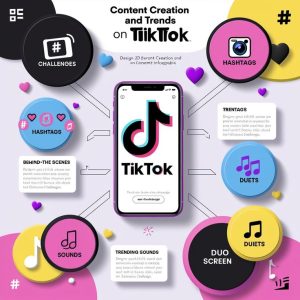
🎬 Short-Form Video Content Strategy (Reels, Shorts, TikTok)

🚀 Why Short-Form Video is So Powerful

Short videos work because they are:

  • Easy to consume
  • Highly engaging
  • Favored by platform algorithms
  • Perfect for viral growth

Even a single video can bring thousands (or millions) of views.


🎯 Step-by-Step Short-Form Video Strategy

1. Start with a Clear Niche

Don’t create random content. Focus on a specific niche.

Examples:

  • Fitness
  • Motivation
  • Digital marketing
  • Fashion
  • Education

A clear niche helps attract the right audience.


2. Hook Viewers in the First 3 Seconds

The beginning decides everything.

Strong hooks:

  • “Stop scrolling! This will help you…”
  • “You’re doing this wrong…”
  • “Watch this before you…”

If your hook is weak, people will scroll away.


3. Keep Videos Short & Engaging

Ideal length:

  • 7–15 seconds (high engagement)
  • Up to 30 seconds for value content

Shorter videos often perform better.


4. Follow the 3-Part Formula

Every video should have:

Hook → Value → Call-to-Action

Example:

  • Hook: “Want more followers?”
  • Value: Give a quick tip
  • CTA: “Follow for more tips”

5. Post Consistently

Consistency is key to growth.

Recommended:

  • 1–2 videos daily OR
  • At least 5–7 videos per week

More content = more chances to go viral.


6. Use Trending Audio & Hashtags

Trends increase reach.

  • Use viral sounds
  • Add 3–5 relevant hashtags
  • Follow current trends in your niche

7. Focus on Value or Entertainment

Your content should either:

  • Solve a problem
  • Teach something
  • Entertain

Avoid posting without purpose.


8. Repurpose Content Across Platforms

Don’t create new content every time.

Post the same video on:

  • Instagram Reels
  • YouTube Shorts
  • TikTok

This saves time and multiplies reach.


9. Analyze Performance

Track what works:

  • Views
  • Likes
  • Watch time

Create more of what performs well.


10. Improve with Every Video

Each video is a learning step.

  • Test different hooks
  • Try new formats
  • Improve editing

Growth comes from improvement.


⚠️ Common Mistakes to Avoid

  • Weak or boring hooks
  • Long intros
  • Inconsistent posting
  • Copying without adding value
  • Ignoring audience feedback

💡 Pro Tips for Faster Growth

  • End with a strong CTA

🏁 Conclusion

Short-form video content is the fastest way to grow online in 2026. With the right strategy—strong hooks, consistency, and valuable content—you can build an audience quickly.

Remember: you’re always one viral video away from growth.


Frequently Asked Questions (FAQ)

1. Which platform is best: Reels, Shorts, or TikTok?

All are powerful. Post on all three for maximum reach.


2. How many videos should I post daily?

1–2 videos daily is ideal, but consistency matters more.


3. Do I need professional editing?

No, simple editing works if your content is engaging.


4. What type of content goes viral?

Educational tips, relatable content, trends, and storytelling videos.


5. How long should my videos be?

7–15 seconds works best for engagement.


🔥 How to Stay Consistent with Content Creation

🚀 Why Consistency Matters in Content Creation

Consistency helps you:

  • Build trust with your audience
  • Improve your skills over time
  • Increase visibility on platforms
  • Grow faster with algorithms

Without consistency, even great content can go unnoticed.


🎯 Practical Tips to Stay Consistent

1. Set Clear and Realistic Goals

Don’t aim to post every day if you can’t manage it. Start small.

Example:

  • 3 posts per week
  • 1 video every week

Small goals are easier to maintain and reduce burnout.


2. Create a Content Plan

Planning saves time and removes confusion.

What to plan:

  • Topics
  • Posting days
  • Content type (video, post, blog)

A weekly or monthly content calendar keeps you organized.


3. Batch Your Content

Instead of creating content daily, create multiple pieces at once.

Example:

  • Shoot 3 videos in one day
  • Write 2–3 blogs in one sitting

This reduces stress and keeps you ahead.


4. Focus on One Platform First

Trying to manage all platforms leads to inconsistency.

Pick one platform (YouTube, Instagram, or blog) and master it before expanding.


5. Keep Content Simple

You don’t need perfect editing or high production.

Simple content = faster creation = more consistency


6. Use Content Ideas List

Running out of ideas is a common problem.

Always keep a list of:

  • Trending topics
  • Audience questions
  • Personal experiences

This ensures you never feel stuck.


7. Build a Routine

Make content creation part of your daily or weekly routine.

Example:

  • Morning: Idea planning
  • Evening: Recording/editing

Routine creates discipline.


8. Avoid Perfectionism

Perfection delays posting.

Done is better than perfect. Your audience prefers value over perfection.


9. Track Your Progress

Check what’s working and what’s not.

  • Which posts get more views?
  • What type of content performs better?

This helps you improve and stay motivated.


10. Stay Motivated with Purpose

Ask yourself:
👉 Why did you start?

Whether it’s money, passion, or growth—your purpose keeps you going.


⚠️ Common Mistakes to Avoid

  • Posting randomly without a plan
  • Comparing yourself with others
  • Overthinking content
  • Taking long breaks

💡 Pro Tip

Consistency doesn’t mean posting daily—it means showing up regularly without long gaps.


🏁 Conclusion

Staying consistent with content creation is not about working harder—it’s about working smarter. With proper planning, realistic goals, and a simple strategy, anyone can stay consistent and grow.

Remember: small, consistent steps lead to big results.


Frequently Asked Questions (FAQ)

1. How often should I post content?

Start with 2–3 times per week. Consistency matters more than frequency.


2. What if I lose motivation?

Take a short break, revisit your goals, and start again with small steps.


3. How do I get content ideas regularly?

Follow trends, listen to your audience, and maintain an idea list.


4. Can I stay consistent without a team?

Yes, many creators start solo. Use simple tools and batch your work.

💰 Top Platforms to Earn from Content Creation

🚀 Why Content Creation is a Great Income Source


With millions of users online every day, platforms reward creators who bring value, entertainment, or education. You don’t need a big investment—just consistency, creativity, and the right strategy.

Benefits:

  • Work from anywhere
  • Low startup cost
  • Multiple income streams
  • High growth potential

🌟 Top Platforms to Earn from Content Creation

1. YouTube

One of the most popular platforms for creators.

How to earn:

  • Ads revenue (YouTube Partner Program)
  • Sponsorships
  • Affiliate marketing
  • Channel memberships

Best for: Video creators, educators, vloggers


2. Instagram

Perfect for visual content and personal branding.

How to earn:

  • Brand collaborations
  • Paid promotions
  • Affiliate links
  • Selling your own products/services

Best for: Influencers, lifestyle, fashion, fitness creators


3. Blogging (Website)

If you love writing, blogging is a long-term income source.

How to earn:

  • Google AdSense
  • Affiliate marketing
  • Sponsored posts
  • Selling digital products

Best for: Writers, educators, niche experts


4. Freelancing Platforms

Turn your content skills into services.

Top platforms:

  • Fiverr
  • Upwork

How to earn:

  • Content writing
  • Social media management
  • Copywriting
  • Video editing

Best for: Beginners & professionals


5. Facebook

Still a strong platform for monetization.

How to earn:

  • In-stream ads
  • Brand deals
  • Facebook Stars
  • Affiliate marketing

Best for: Video creators & community builders


6. TikTok / Short Video Platforms

Short-form content is booming.

How to earn:

  • Creator funds
  • Brand sponsorships
  • Affiliate marketing
  • Live gifts

Best for: Short, viral content creators


7. LinkedIn

Best for professional content creators.

How to earn:

  • Personal branding
  • Consulting services
  • High-ticket clients
  • Course selling

Best for: Professionals, coaches, B2B creators


8. Online Course Platforms

Turn your knowledge into income.

Platforms:

  • Udemy
  • Teachable

How to earn:

  • Selling courses
  • Memberships

Best for: Experts & educators


💡 Tips to Maximize Your Earnings

  • Focus on one platform first
  • Stay consistent with content
  • Choose a profitable niche
  • Build a personal brand
  • Use multiple income streams

⚠️ Common Mistakes to Avoid

  • Trying all platforms at once
  • Inconsistent posting
  • Ignoring audience needs
  • Focusing only on money, not value

🏁 Conclusion

Content creation is one of the best ways to earn online in 2026. Platforms like YouTube, Instagram, and blogging websites offer endless opportunities. The key is to start small, stay consistent, and keep improving your content.

Remember, success doesn’t come overnight—but with patience and strategy, you can build a strong income stream.


Frequently Asked Questions (FAQ)

1. Which platform is best for beginners?

YouTube, Instagram, and freelancing platforms are great for beginners because they are easy to start and have large audiences.


2. How much can a content creator earn?

earn lakhs peEarnings vary. Beginners may earn ₹5,000–₹20,000/month, while experienced creators can r month.


3. Do I need investment to start content creation?

No, you can start with a smartphone and free tools.


4. How long does it take to earn money?

It usually takes 3–6 months with consistent effort.


5. Can I use multiple platforms?

Yes, but it’s better to master one platform first, then expand.


6. What type of content earns the most?

Educational, finance, tech, and entertainment content usually perform best.


Boost Your Sales With Smart Email Marketing

What is Smart Email Marketing?

Smart email marketing means sending the right message to the right person at the right time.
Instead of sending the same email to everyone, you personalize and target your audience for better results.


Why Email Marketing is Important for Sales

✅ Direct Communication

Your message goes straight to the customer’s inbox.

High ROI

Email marketing gives one of the highest returns compared to other marketing methods.

Builds Customer Trust

Regular and valuable emails build strong relationships.

Drives Repeat Sales

You can remind customers about your products and offers.


Smart Strategies to Boost Your Sales

1. Segment Your Audience

Not all customers are the same. Divide your audience based on:

  • Interests
  • Purchase behavior
  • Location

This helps you send more relevant emails.


2. Personalize Your Emails

Use the customer’s name and tailor the message.
Example:
“Hi Rahul, we have a special offer just for you!”

Personal emails feel more genuine and increase engagement.


3. Write Attractive Subject Lines

Your subject line decides whether your email is opened or ignored.

Examples:

  • “Don’t Miss This Limited Offer!”
  • “A Special Deal Just for You”

4. Focus on Value, Not Just Selling

Instead of always promoting products, share:

  • Tips
  • Guides
  • Useful information

This builds trust and keeps people interested.


5. Use Strong Call-To-Action (CTA)

Tell your readers what to do next:

  • “Shop Now”
  • “Grab Your Offer”
  • “Learn More”

Make it clear and simple.


6. Send Emails at the Right Time

Timing matters. Test different days and times to see when your audience is most active.


7. Automate Your Emails

Use automation for:

  • Welcome emails
  • Follow-ups
  • Abandoned cart reminders

This saves time and increases sales automatically.


Bonus Tips for Better Results

  • Keep your emails short and engaging
  • Use mobile-friendly design
  • Add attractive images
  • Track performance (open rate, click rate)
  • Test different strategies (A/B testing)

Common Mistakes to Avoid

  • Sending too many emails
  • Ignoring personalization
  • Writing boring content
  • Not including CTA
  • Buying email lists

Conclusion

Smart email marketing is not about sending more emails—it’s about sending better emails.
With the right strategy, you can build strong relationships, increase engagement, and most importantly, boost your sales.

Start small, stay consistent, and keep improving. Success will follow.


Frequently Asked Questions (FAQ)

1. What makes email marketing “smart”?

Smart email marketing uses personalization, segmentation, and timing to send the right message to the right audience.


2. Can email marketing really increase sales?

Yes, it helps build trust, promote offers, and encourage repeat purchases.


3. How often should I send marketing emails?

1–2 times per week is ideal. Avoid sending too many emails.


4. What type of emails work best for sales?

  • Promotional emails
  • Discount offers
  • Product recommendations
  • Follow-up emails

5. Do I need technical skills for email marketing?

No, most email tools are beginner-friendly and easy to use.


6. How do I improve my email open rate?

Use catchy subject lines, personalize emails, and send them at the right time.


Start Email Marketing Today: No Experience Needed

What is Email Marketing?

Email marketing is simply sending emails to people to promote your business, products, or services. It helps you stay connected with your audience, build trust, and increase sales over time.

Unlike social media, where algorithms control your reach, emails go directly to your audience’s inbox. That’s what makes it powerful.


Why You Should Start Email Marketing Today

✅ Direct Connection with Audience

You can talk directly to your customers without depending on any platform.

✅ Cost-Effective

Email marketing is one of the cheapest marketing methods with high returns.

✅ Builds Trust & Relationships

Regular emails help people know your brand better and trust you.

✅ Increases Sales

A well-written email can turn readers into buyers.


Step-by-Step Guide to Start Email Marketing

1. Choose an Email Marketing Platform

Start with beginner-friendly tools like Mailchimp, ConvertKit, or Brevo. They are easy to use and often have free plans.

2. Build Your Email List

You need people to send emails to. Start by:

  • Adding a signup form on your website
  • Offering a free guide, discount, or offer
  • Promoting your email list on social media

3. Understand Your Audience

Know who you are writing to. Ask yourself:

  • What do they need?
  • What problems can you solve?
  • What interests them?

4. Write Simple & Engaging Emails

Keep your emails:

  • Short and clear
  • Friendly and personal
  • Focused on one message

Example:
Instead of sounding formal, write like you’re talking to a friend.

5. Add a Clear Call-To-Action (CTA)

Tell readers what to do next:

  • “Buy Now”
  • “Read More”
  • “Get Your Offer”

6. Stay Consistent

Send emails regularly (weekly or bi-weekly). Consistency builds trust and keeps your audience engaged.


Tips for Better Email Marketing

  • Use catchy subject lines to increase open rates
  • Personalize emails using names
  • Avoid spammy words like “FREE!!!” or “URGENT”
  • Test different styles to see what works best
  • Always provide value, not just sales

Common Mistakes to Avoid

  • Sending too many emails
  • Ignoring mobile-friendly design
  • Writing long and boring content
  • Not tracking performance
  • Buying email lists (never do this)

Conclusion

Starting email marketing is easier than you think. You don’t need experience—just start small, stay consistent, and keep improving. Over time, your emails can become one of your strongest tools to grow your business and connect with your audience.


Frequently Asked Questions (FAQ)

1. Is email marketing good for beginners?

Yes, email marketing is perfect for beginners because it’s simple, low-cost, and highly effective.

2. Do I need a website to start email marketing?

No, you can start without a website by using landing pages or social media to collect emails.

3. How often should I send emails?

1–2 times per week is a good starting point. Just stay consistent.

4. What type of emails should I send?

You can send:

  • Tips and guides
  • Offers and discounts
  • Updates about your business
  • Helpful content

5. Can email marketing really increase sales?

Yes, when done correctly, email marketing can significantly boost sales and customer loyalty.


Stop Posting! Do This Instead for Better Engagement

In today’s social media world, many people believe that posting more content every day will automatically increase engagement. But in reality, this strategy often fails. Posting too frequently without planning can reduce your reach and make your audience lose interest. Instead of focusing on how much you post, you should focus on how valuable and engaging your content is. If you really want better results, it’s time to stop random posting and start using smarter methods that actually work.

The truth is, social media growth is not about quantity—it’s about quality, consistency, and connection. When you understand your audience and create meaningful content, your engagement will naturally improve. Below are some important strategies you should follow instead of just posting more content.


What To Do Instead of Posting More

  • Focus on Your Audience
    Understand what your followers like, need, and expect from your content. Create posts that match their interests.
  • Create High-Quality Content
    Instead of posting many low-quality posts, focus on fewer but better posts with clear visuals and simple captions.
  • Engage With Your Audience
    Reply to comments, answer messages, and interact with your followers regularly to build strong connections.
  • Use Interactive Content
    Post polls, questions, and quizzes to encourage people to participate and increase engagement.
  • Post Short Videos (Reels)
    Reels and short videos are highly effective and help you reach more people quickly.
  • Post at the Right Time
    Share your content when your audience is most active to get better results.
  • Analyze Your Performance
    Check which posts are working well and create more content like that.
  • Follow Trends
    Use trending topics, sounds, and formats to increase visibility.
  • Avoid Overposting
    Posting too much can reduce interest. Focus on value instead of frequency.
  • Stay Consistent
    Maintain a regular posting schedule without overwhelming your audience.

Conclusion

Better engagement does not come from posting more, but from posting smarter. When you focus on quality content, audience understanding, and regular interaction, your social media page will grow naturally. Stop random posting and start creating content with a clear purpose. This approach will help you build stronger relationships and achieve long-term success.


FAQs

1. Why should I stop posting too much?
Posting too much without quality can reduce engagement and make your audience lose interest.

2. What should I do instead of posting daily?

Focus on creating valuable content, engaging with your audience, and analyzing your results.

3. How can I increase engagement on my posts?
Use reels, ask questions, follow trends, and interact with your followers regularly.

4. Is quality more important than quantity?
Yes, high-quality content performs better than frequent low-quality posts.

5. How often should I post for best results?
Posting 3–5 times a week with good quality is usually enough.

Daily Social Media Posting Ideas

Daily Posting Ideas

  • Share Tips & Information
    Post useful tips, tricks, or knowledge related to your niche. People like content that helps them learn something new.
  • Motivational & Inspirational Posts
    Share quotes, success stories, or positive messages that connect emotionally with your audience.
  • Behind-the-Scenes Content
    Show your daily work, routine, or how your product/service is made. This builds trust.
  • Ask Questions or Polls
    Create interactive posts by asking simple questions or running polls to increase engagement.
  • Post Short Videos (Reels)
    Share short videos, tutorials, or trending ntent to reach more people.
  • Share Customer Reviews
    Post feedback, testimonials, or user-generated content to build credibility.
  • Follow Trends
    Use trending topics, sounds, or challenges to make your content more visible.
  • Personal Stories
    Share your experiences or journey to connect with your audience.
  • Promotional Posts
    Promote your product or service, but keep it limited and not too frequent.
  • Fun & Entertaining Content
    Share memes, fun facts, or light content to keep your page interesting.

Simple Weekly Plan 

  • Monday – Tips
  • Tuesday – Motivation
  • Wednesday – Promotion
  • Thursday – Behind-the-scenes
  • Friday – Video/Reel
  • Saturday – Fun content
  • Sunday – Review or Story

Conclusion

Posting daily on social media becomes easy when you have clear ideas and a simple plan. Focus on providing value, staying consistent, and engaging with your audience. Over time, this will help you grow your followers and improve your social media presence.


FAQs

1. What should I post daily on social media?
You can post tips, videos, motivational content, reviews, and trending topics.

2. Is daily posting necessary?
It is helpful for growth, but consistency is more important than posting every day.

3. What content gets more engagement?
Short videos, reels, and interactive posts get more engagement.

4. How do I find new content ideas?
Follow trends, check competitors, and listen to your audience.

5. Can I post promotional content every day?
No, you should balance promotional content with useful and engaging posts.

How to Improve Your Social Media Page

1. Complete Your Profile Properly

Your profile is the first thing people see.

Make sure:

  • Use a clear profile picture
  • Add a simple and attractive bio
  • Write what you do
  • Add contact details or website link

👉 A good profile builds trust.


2. Post High-Quality Content


Content is the most important part.

Tips:

  • Use clear images and videos
  • Write simple and useful captions
  • Share helpful, entertaining, or informative posts
  • Avoid blurry or low-quality content

👉 Good content attracts more people.


3. Be Consistent

Posting regularly is very important.

  • Post at least 3–5 times a week
  • Maintain a fixed schedule
  • Don’t disappear for long time

👉 Consistency helps people remember your page.


4. Use Hashtags Smartly

Hashtags help people find your content.

  • Use 5–10 relevant hashtags
  • Avoid too many hashtags
  • Use trending and niche hashtags

👉 This increases reach and visibility.


5. Engage With Your Audience

Social media is not just posting—it’s communication.

  • Reply to comments
  • Answer messages
  • Like and comment on others’ posts

👉 Engagement builds strong relationships.


6. Use Stories and Reels

Short content works very well today.

  • Post daily stories
  • Create short videos (Reels)
  • Share behind-the-scenes content

👉 Reels can help you go viral faster.


7. Analyze Your Performance

Check what is working and what is not.

  • See likes, comments, shares
  • Track follower growth
  • Focus on posts that perform well

👉 This helps you improve your strategy.


8. Keep Your Page Clean and Attractive

Your page should look good.

  • Use similar colors or theme
  • Avoid too many random posts
  • Keep your feed organized

👉 A clean page looks professional.


9. Collaborate With Others

Work with other creators or brands.

  • Do shoutouts
  • Collaborate on posts or videos
  • Tag each other

👉 This helps you reach new audience.


10. Stay Updated With Trends

Social media keeps changing.

  • Follow trends
  • Use trending sounds and ideas
  • Try new features

👉 Trending content gets more reach.


Conclusion

Improving your social media page takes time and effort. Focus on good content, consistency, and engagement. Slowly, your page will grow and attract more people.


FAQs

1. How often should I post on social media?

You should post at least 3–5 times a week for better results.


2. What type of content works best?

Videos, reels, and helpful or entertaining content work best.


3. How can I get more followers?

Post regularly, use hashtags, and engage with your audience.


4. Are hashtags really important?

Yes, hashtags help your content reach more people.

SEO Mistakes Beginners Must Avoid

🚀 Why Avoiding SEO Mistakes is Important

SEO is not just about ranking—it’s about delivering value to users. Mistakes can lead to:

  • Lower search rankings
  • Poor user experience
  • High bounce rates
  • Penalties from Google

👉 Fixing these early can save months of lost traffic.


1. Ignoring Keyword Research

Many beginners skip keyword research and start writing content randomly.

Why it’s a problem:

You may target keywords that no one is searching for.

✅ Solution:

  • Use tools like Google Keyword Planner
  • Focus on long-tail keywords
  • Analyze search intent

2. Keyword Stuffing

Adding too many keywords in your content can hurt readability and rankings.

Why it’s bad:

Search engines see this as spam.

✅ Solution:

  • Use keywords naturally
  • Focus on content quality
  • Maintain proper keyword density

3. Low-Quality or Thin Content

Publishing short, unhelpful content won’t rank.

Why it’s harmful:

Search engines prioritize valuable and informative content.

✅ Solution:

  • Write in-depth articles (1000+ words)
  • Solve real user problems
  • Add examples and visuals

4. Not Optimizing for Mobile

Most users browse on mobile devices.

Problem:

A non-mobile-friendly site leads to poor rankings.

✅ Solution:

  • Use responsive design
  • Test your site on multiple devices
  • Improve mobile loading speed

5. Slow Website Speed

A slow website drives users away.

Impact:

Higher bounce rates and lower rankings.

✅ Solution:

  • Compress images
  • Use caching
  • Improve hosting quality

6. Ignoring On-Page SEO

Many beginners forget basic optimization.

Common mistakes:

  • Missing title tags
  • No meta descriptions
  • Improper heading structure

✅ Solution:

  • Optimize titles and meta descriptions
  • Use H1, H2, H3 properly
  • Add internal links

7. Not Building Backlinks

Backlinks are still a major ranking factor.

Problem:

No backlinks = low authority.

✅ Solution:

  • Guest posting
  • Create shareable content
  • Build relationships in your niche

8. Duplicate Content

Copying content from other sites can harm your SEO.

Risk:

Penalties from Google

✅ Solution:

  • Write original content
  • Use plagiarism check tools
  • Add unique value

9. Ignoring Technical SEO

Technical issues can block your site from ranking.

Examples:

  • Broken links
  • Crawl errors
  • Poor site structure

✅ Solution:

  • Fix broken links
  • Use XML sitemaps
  • Optimize robots.txt

10. Not Tracking Performance

If you don’t track results, you can’t improve.

Mistake:

Publishing content without analysis.

✅ Solution:

  • Use Google Analytics
  • Monitor traffic and rankings
  • Adjust strategy based on data

11. Ignoring User Experience (UX)

SEO is not just about search engines—it’s about users.

Issues:

  • Hard-to-read content
  • Poor navigation
  • Too many ads

✅ Solution:

  • Improve readability
  • Use clean design
  • Make navigation simple

12. Expecting Instant Results

SEO takes time.

Reality:

You won’t rank overnight.

✅ Solution:

  • Be consistent
  • Focus on long-term growth
  • Keep updating content

📈 Pro Tips for Beginners

  • Focus on quality over quantity
  • Update old content regularly
  • Use internal linking
  • Optimize images with ALT tags
  • Stay updated with SEO trends

Conclusion

Avoiding common SEO mistakes is the first step toward building a successful website. Focus on creating valuable content, optimizing your site properly, and following ethical SEO practices.

Remember, SEO is a long-term game—but done right, it delivers powerful and sustainable results.


Frequently Asked Questions (FAQ)

1. What is the most common SEO mistake beginners make?

Ignoring keyword research is one of the biggest mistakes beginners make.


2. How long does SEO take to show results?

SEO usually takes 3 to 6 months to show noticeable results.


3. Is keyword stuffing still effective?

No, keyword stuffing is outdated and can lead to penalties from Google.

4. Why is mobile SEO important?

Most users access websites via mobile, and search engines prioritize mobile-friendly sites.


5. What are backlinks in SEO?

Backlinks are links from other websites to your site, helping improve authority and rankings.


6. Can I do SEO without tools?

Yes, but tools like Google Keyword Planner and Google Analytics make the process easier and more effective.


7. What is duplicate content?

Duplicate content is content that appears on multiple websites or pages, which can harm rankings.


White Hat vs Black Hat SEO Techniques

🔍 What is White Hat SEO?

White Hat SEO refers to ethical optimization techniques that follow the guidelines set by search engines like Google. These methods focus on providing value to users and building long-term credibility.

Key Characteristics:

  • Follows search engine guidelines
  • Focuses on user experience
  • Builds long-term results
  • Safe from penalties

📈 Common White Hat SEO Techniques:

  • High-quality content creation
  • Keyword research and proper usage
  • On-page optimization (meta tags, headings)
  • Mobile-friendly website design
  • Improving website speed
  • Earning backlinks naturally
  • Using structured data (schema markup)

👉 Example: Writing helpful blog content that answers user queries.


What is Black Hat SEO?

Black Hat SEO involves unethical practices that attempt to manipulate search engine algorithms to gain quick rankings.

These techniques violate guidelines and can result in penalties or even complete removal from search results.

Key Characteristics:

  • Focuses on quick results
  • Ignores search engine rules
  • High risk of penalties
  • Poor user experience

🚫 Common Black Hat SEO Techniques:

  • Keyword stuffing
  • Cloaking (showing different content to users and search engines)
  • Buying backlinks
  • Hidden text or links
  • Duplicate or scraped content
  • Link farms

👉 Example: Repeating the same keyword excessively to rank higher.


⚖️ White Hat vs Black Hat SEO: Key Differences

Feature White Hat SEO 🟢 Black Hat SEO ⚫
Approach Ethical & user-focused Manipulative & deceptive
Risk Level Low Very high
Results Long-term Short-term
Google Compliance Yes No
Penalties No Yes

🚀 Why White Hat SEO is the Better Choice

While Black Hat SEO may promise quick wins, it comes with serious risks.

Benefits of White Hat SEO:

  • Sustainable rankings
  • Builds trust and authority
  • Better user engagement
  • Safe from algorithm updates
  • Long-term traffic growth

Search engines like Google continuously update their algorithms to detect and penalize manipulative tactics.


⚠️ Risks of Black Hat SEO

Using Black Hat techniques can harm your website in several ways:

  • Sudden drop in rankings
  • Manual penalties from Google
  • De-indexing (removal from search results)
  • Loss of credibility and traffic

Recovering from penalties can take months—or even years.


🧠 Grey Hat SEO: The Middle Ground?

Grey Hat SEO lies between White and Black Hat techniques. It includes practices that are not clearly against guidelines but still risky.

Examples:

  • Clickbait titles
  • Slight content duplication
  • Aggressive link-building

👉 While tempting, Grey Hat strategies can still lead to penalties if overused.


🛠️ How to Stay Safe with SEO in 2026

To build a successful SEO strategy, follow these best practices:

  • Focus on high-quality, original content
  • Optimize for user intent, not just keywords
  • Improve website performance and mobile experience
  • Build backlinks organically
  • Stay updated with algorithm changes
  • Avoid shortcuts and “quick win” tricks

📈 Real-World Strategy for Long-Term Growth

Instead of chasing fast results, build a strong foundation:

  1. Create valuable, informative content
  2. Optimize your website technically
  3. Promote content through ethical marketing
  4. Build authority over time

👉 SEO is a marathon, not a sprint.


Conclusion

When comparing White Hat vs Black Hat SEO, the choice is clear. White Hat SEO offers sustainable growth, long-term rankings, and a trustworthy online presence.

Black Hat techniques might deliver quick results, but the risks far outweigh the benefits. If you want lasting success, stick to ethical practices and focus on providing value to your audience.


Frequently Asked Questions (FAQ)

1. What is the main difference between White Hat and Black Hat SEO?

White Hat SEO follows search engine guidelines and focuses on users, while Black Hat SEO manipulates algorithms for quick rankings.


2. Is Black Hat SEO illegal?

Black Hat SEO is not illegal, but it violates search engine rules and can result in penalties or removal from search results.


3. Can Black Hat SEO give quick results?

Yes, it can provide short-term ranking boosts, but these gains are usually temporary and risky.


4. Does Google penalize Black Hat SEO?

Yes, Google can penalize or de-index websites that use Black Hat techniques.


5. What is Grey Hat SEO?

Grey Hat SEO includes techniques that are not strictly against rules but still carry some risk.


6. Which SEO technique is best for beginners?

White Hat SEO is the best choice for beginners because it is safe, sustainable, and effective in the long run.