🎬 Short-Form Video Content Strategy (Reels, Shorts, TikTok)

🚀 Why Short-Form Video is So Powerful

Short videos work because they are:

  • Easy to consume
  • Highly engaging
  • Favored by platform algorithms
  • Perfect for viral growth

Even a single video can bring thousands (or millions) of views.


🎯 Step-by-Step Short-Form Video Strategy

1. Start with a Clear Niche

Don’t create random content. Focus on a specific niche.

Examples:

  • Fitness
  • Motivation
  • Digital marketing
  • Fashion
  • Education

A clear niche helps attract the right audience.


2. Hook Viewers in the First 3 Seconds

The beginning decides everything.

Strong hooks:

  • “Stop scrolling! This will help you…”
  • “You’re doing this wrong…”
  • “Watch this before you…”

If your hook is weak, people will scroll away.


3. Keep Videos Short & Engaging

Ideal length:

  • 7–15 seconds (high engagement)
  • Up to 30 seconds for value content

Shorter videos often perform better.


4. Follow the 3-Part Formula

Every video should have:

Hook → Value → Call-to-Action

Example:

  • Hook: “Want more followers?”
  • Value: Give a quick tip
  • CTA: “Follow for more tips”

5. Post Consistently

Consistency is key to growth.

Recommended:

  • 1–2 videos daily OR
  • At least 5–7 videos per week

More content = more chances to go viral.


6. Use Trending Audio & Hashtags
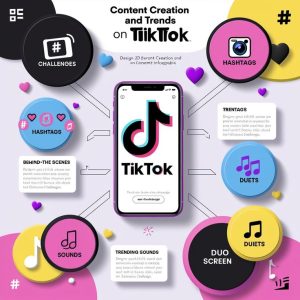
Trends increase reach.

  • Use viral sounds
  • Add 3–5 relevant hashtags
  • Follow current trends in your niche

7. Focus on Value or Entertainment

Your content should either:

  • Solve a problem
  • Teach something
  • Entertain

Avoid posting without purpose.


8. Repurpose Content Across Platforms

Don’t create new content every time.

Post the same video on:

  • Instagram Reels
  • YouTube Shorts
  • TikTok

This saves time and multiplies reach.


9. Analyze Performance

Track what works:

  • Views
  • Likes
  • Watch time

Create more of what performs well.


10. Improve with Every Video

Each video is a learning step.

  • Test different hooks
  • Try new formats
  • Improve editing

Growth comes from improvement.


⚠️ Common Mistakes to Avoid

  • Weak or boring hooks
  • Long intros
  • Inconsistent posting
  • Copying without adding value
  • Ignoring audience feedback

💡 Pro Tips for Faster Growth

  • End with a strong CTA

🏁 Conclusion

Short-form video content is the fastest way to grow online in 2026. With the right strategy—strong hooks, consistency, and valuable content—you can build an audience quickly.

Remember: you’re always one viral video away from growth.


Frequently Asked Questions (FAQ)

1. Which platform is best: Reels, Shorts, or TikTok?

All are powerful. Post on all three for maximum reach.


2. How many videos should I post daily?

1–2 videos daily is ideal, but consistency matters more.


3. Do I need professional editing?

No, simple editing works if your content is engaging.


4. What type of content goes viral?

Educational tips, relatable content, trends, and storytelling videos.


5. How long should my videos be?

7–15 seconds works best for engagement.

 

🔥 How to Stay Consistent with Content Creation

🚀 Why Consistency Matters in Content Creation

Consistency helps you:

  • Build trust with your audience
  • Improve your skills over time
  • Increase visibility on platforms
  • Grow faster with algorithms

Without consistency, even great content can go unnoticed.


🎯 Practical Tips to Stay Consistent

1. Set Clear and Realistic Goals

Don’t aim to post every day if you can’t manage it. Start small.

Example:

  • 3 posts per week
  • 1 video every week

Small goals are easier to maintain and reduce burnout.


2. Create a Content Plan

Planning saves time and removes confusion.

What to plan:

  • Topics
  • Posting days
  • Content type (video, post, blog)

A weekly or monthly content calendar keeps you organized.


3. Batch Your Content

Instead of creating content daily, create multiple pieces at once.

Example:

  • Shoot 3 videos in one day
  • Write 2–3 blogs in one sitting

This reduces stress and keeps you ahead.


4. Focus on One Platform First

Trying to manage all platforms leads to inconsistency.

Pick one platform (YouTube, Instagram, or blog) and master it before expanding.


5. Keep Content Simple

You don’t need perfect editing or high production.

Simple content = faster creation = more consistency


6. Use Content Ideas List

Running out of ideas is a common problem.

Always keep a list of:

  • Trending topics
  • Audience questions
  • Personal experiences

This ensures you never feel stuck.


7. Build a Routine

Make content creation part of your daily or weekly routine.

Example:

  • Morning: Idea planning
  • Evening: Recording/editing

Routine creates discipline.


8. Avoid Perfectionism

Perfection delays posting.

Done is better than perfect. Your audience prefers value over perfection.


9. Track Your Progress

Check what’s working and what’s not.

  • Which posts get more views?
  • What type of content performs better?

This helps you improve and stay motivated.


10. Stay Motivated with Purpose

Ask yourself:
👉 Why did you start?

Whether it’s money, passion, or growth—your purpose keeps you going.


⚠️ Common Mistakes to Avoid

  • Posting randomly without a plan
  • Comparing yourself with others
  • Overthinking content
  • Taking long breaks

💡 Pro Tip

Consistency doesn’t mean posting daily—it means showing up regularly without long gaps.


🏁 Conclusion

Staying consistent with content creation is not about working harder—it’s about working smarter. With proper planning, realistic goals, and a simple strategy, anyone can stay consistent and grow.

Remember: small, consistent steps lead to big results.


Frequently Asked Questions (FAQ)

1. How often should I post content?

Start with 2–3 times per week. Consistency matters more than frequency.


2. What if I lose motivation?

Take a short break, revisit your goals, and start again with small steps.


3. How do I get content ideas regularly?

Follow trends, listen to your audience, and maintain an idea list.


4. Can I stay consistent without a team?

Yes, many creators start solo. Use simple tools and batch your work.

💰 Top Platforms to Earn from Content Creation

🚀 Why Content Creation is a Great Income Source


With millions of users online every day, platforms reward creators who bring value, entertainment, or education. You don’t need a big investment—just consistency, creativity, and the right strategy.

Benefits:

  • Work from anywhere
  • Low startup cost
  • Multiple income streams
  • High growth potential

🌟 Top Platforms to Earn from Content Creation

1. YouTube

One of the most popular platforms for creators.

How to earn:

  • Ads revenue (YouTube Partner Program)
  • Sponsorships
  • Affiliate marketing
  • Channel memberships

Best for: Video creators, educators, vloggers


2. Instagram

Perfect for visual content and personal branding.

How to earn:

  • Brand collaborations
  • Paid promotions
  • Affiliate links
  • Selling your own products/services

Best for: Influencers, lifestyle, fashion, fitness creators


3. Blogging (Website)

If you love writing, blogging is a long-term income source.

How to earn:

  • Google AdSense
  • Affiliate marketing
  • Sponsored posts
  • Selling digital products

Best for: Writers, educators, niche experts


4. Freelancing Platforms

Turn your content skills into services.

Top platforms:

  • Fiverr
  • Upwork

How to earn:

  • Content writing
  • Social media management
  • Copywriting
  • Video editing

Best for: Beginners & professionals


5. Facebook

Still a strong platform for monetization.

How to earn:

  • In-stream ads
  • Brand deals
  • Facebook Stars
  • Affiliate marketing

Best for: Video creators & community builders


6. TikTok / Short Video Platforms

Short-form content is booming.

How to earn:

  • Creator funds
  • Brand sponsorships
  • Affiliate marketing
  • Live gifts

Best for: Short, viral content creators


7. LinkedIn

Best for professional content creators.

How to earn:

  • Personal branding
  • Consulting services
  • High-ticket clients
  • Course selling

Best for: Professionals, coaches, B2B creators


8. Online Course Platforms

Turn your knowledge into income.

Platforms:

  • Udemy
  • Teachable

How to earn:

  • Selling courses
  • Memberships

Best for: Experts & educators


💡 Tips to Maximize Your Earnings

  • Focus on one platform first
  • Stay consistent with content
  • Choose a profitable niche
  • Build a personal brand
  • Use multiple income streams

⚠️ Common Mistakes to Avoid

  • Trying all platforms at once
  • Inconsistent posting
  • Ignoring audience needs
  • Focusing only on money, not value

🏁 Conclusion

Content creation is one of the best ways to earn online in 2026. Platforms like YouTube, Instagram, and blogging websites offer endless opportunities. The key is to start small, stay consistent, and keep improving your content.

Remember, success doesn’t come overnight—but with patience and strategy, you can build a strong income stream.


Frequently Asked Questions (FAQ)

1. Which platform is best for beginners?

YouTube, Instagram, and freelancing platforms are great for beginners because they are easy to start and have large audiences.


2. How much can a content creator earn?

earn lakhs peEarnings vary. Beginners may earn ₹5,000–₹20,000/month, while experienced creators can r month.


3. Do I need investment to start content creation?

No, you can start with a smartphone and free tools.


4. How long does it take to earn money?

It usually takes 3–6 months with consistent effort.


5. Can I use multiple platforms?

Yes, but it’s better to master one platform first, then expand.


6. What type of content earns the most?

Educational, finance, tech, and entertainment content usually perform best.


Blogging vs YouTube: Which Is Better in 2026?

📌 Introduction

In today’s digital era, making money online and building a personal brand is easier than ever. Two of the most popular platforms are blogging and YouTube.

But the big question is:
👉 Which one is better for you?

In this detailed guide, we’ll compare both and help you choose the right path.


✍️ What is Blogging?

Blogging is the process of writing and publishing content on a website. You can share knowledge, tutorials, reviews, or personal experiences.

Popular platforms include WordPress and Blogger.

👉 Example: Tech blogs, finance blogs, travel blogs


🎥 What is YouTube?

YouTube is a video-sharing platform where creators upload videos to educate or entertain audiences.

It is owned by Google and has billions of users worldwide.


⚖️ Blogging vs YouTube (Detailed Comparison)

1. 💸 Earning Potential

Blogging:

  • Google AdSense, affiliate marketing, sponsored posts
  • Strong passive income

YouTube:

  • Ad revenue, sponsorships, memberships
  • Income depends on views

👉 Winner: Blogging (better passive income)


2. ⏳ Time & Effort

Blogging:

  • Writing-based
  • No editing or shooting

YouTube:

  • Requires filming, editing, thumbnails

👉 Winner: Blogging (less effort to start)


3. 🚀 Growth Speed

Blogging:

  • Slow (SEO takes time)

YouTube:

  • Faster growth potential
  • Videos can go viral

👉 Winner: YouTube


4. 🎯 Skills Required

Blogging:

  • Writing + SEO

YouTube:

  • Editing, speaking, presentation

👉 Winner: Blogging (easy for beginners)


5. 💰 Investment

Blogging:

  • Domain + hosting (low cost)

YouTube:

  • Camera, mic, lighting (optional but helpful)

👉 Winner: Blogging


6. 🧑‍💻 Comfort Level

Blogging:

  • Best for introverts
  • No face needed

YouTube:

  • Requires confidence

👉 Winner: Depends on personality


7. 📈 Long-Term Value

Blogging:

  • Articles rank for years

YouTube:

  • Needs consistent uploads

👉 Winner: Blogging


🏆 Final Verdict

👉 Choose Blogging if you:

  • Like writing
  • Want passive income
  • Prefer low investment

👉 Choose YouTube if you:

  • Like creating videos
  • Want fast growth
  • Enjoy speaking

💡 Smart Strategy (Best Option)

Top creators combine both:

  • Write blogs for SEO traffic
  • Create videos for engagement

👉 This gives double traffic + multiple income sources 🔥


📝 Conclusion

Both blogging and YouTube are powerful in 2026. There’s no single “best” option—only what suits your skills.

👉 Start small, stay consistent, and grow step by step.

Because success depends more on consistency than platform 🚀


Frequently Asked Questions (FAQs)

1. 🤔 Which is better for beginners?

Blogging is better for beginners because it requires fewer skills and less investment. Platforms like WordPress make it easy to start.

2. 💸 Can I earn from both blogging and YouTube?

Yes, both offer strong earning opportunities through ads, affiliate marketing, and sponsorships.

3. ⏳ How long does it take to earn money?

  • Blogging: 3–6 months
  • YouTube: 2–12 months

4. 📱 Do I need to show my face on YouTube?

No, you can create videos using voiceovers, animations, or screen recordings.

5. 💰 Is blogging still profitable in 2026?

Yes, blogging is still profitable, especially with SEO and affiliate marketing.

6. 🚀 Which grows faster?

YouTube grows faster due to viral content potential.


How to Become a Content Creator with No Experience

Introduction

Content creation has become one of the most powerful ways to build a personal brand, grow an audience, and earn money online. The best part? You don’t need experience, expensive gear, or a large following to get started.

If you’re wondering how to become a content creator from scratch, this guide will walk you through everything you need—from choosing a niche to making your first income.


What Is a Content Creator?

A content creator is someone who produces and shares content online to inform, entertain, or inspire an audience.

Types of Content:

  • Videos (YouTube, Instagram Reels, TikTok)
  • Blog posts
  • Social media content
  • Podcasts
  • Graphics and infographics

Step 1: Choose Your Niche

Your niche is the topic you’ll focus on.

How to Choose:

  • Pick something you enjoy
  • Choose a topic you can talk about consistently
  • Ensure there’s audience demand

Popular Niches:

  • Fitness
  • Finance
  • Tech
  • Education
  • Lifestyle

Tip: You don’t need to be an expert—just start and learn as you go.


Step 2: Understand Your Audience

Before creating content, know who you’re creating for.

Ask:

  • What problems do they have?
  • What type of content do they like?
  • What solutions can you offer?

Step 3: Choose Your Platform

Start with one platform to stay focused.

Best Options:

  • YouTube (long-form video)
  • Instagram (short-form + branding)
  • TikTok (viral content)
  • Blogging (SEO-based growth)

Choose based on your strengths:

  • Writing → Blogging
  • Speaking → Video

Step 4: Create a Content Plan


Consistency requires planning.

Simple Weekly Plan:


  • 2 educational posts
  • 1 entertaining post
  • 1 personal post

Content Ideas:

  • Beginner tips
  • Common mistakes
  • Step-by-step tutorials

Step 5: Start Creating (No Experience Needed)

Don’t wait for perfect conditions.

What You Need:

  • Smartphone
  • Internet
  • Free tools

Beginner Tips:

  • Use natural lighting
  • Keep videos simple
  • Focus on clarity over perfection

Step 6: Learn Basic Skills

To improve your content, learn:

  • Hook writing (grab attention fast)
  • Storytelling
  • Basic editing
  • Clear communication

Step 7: Stay Consistent

Consistency is key to growth.

Posting Schedule:

  • 3–5 times per week
  • Stick to a routine

Growth takes time—don’t quit early.


Step 8: Focus on Value

Don’t chase views—focus on helping people.

Create content that:

  • Solves problems
  • Teaches something useful
  • Entertains

Step 9: Use SEO & Hashtags

Help people discover your content.

Tips:

  • Use keywords in titles
  • Add relevant hashtags
  • Write engaging captions

Step 10: Engage with Your Audience

Build a connection with your audience.

  • Reply to comments
  • Ask questions
  • Encourage interaction

Step 11: Analyze and Improve

Track your performance.

Monitor:

  • Engagement
  • Views
  • Audience feedback

Improve based on what works.


Step 12: Monetize Your Content

Once you grow, you can earn money.

Ways to Earn:

  • Brand deals
  • Affiliate marketing
  • Selling products
  • Freelancing
  • Ad revenue

Common Mistakes to Avoid

  • Waiting for perfect setup
  • Inconsistent posting
  • Copying others
  • Ignoring audience needs
  • Giving up too early

Final Thoughts

Becoming a content creator with no experience is completely possible. Everyone starts from zero—the key is to start now, stay consistent, and keep improving.

Your first content won’t be perfect—but it will be the start of your journey.


FAQs

1. Can I become a content creator with no experience?

Yes, anyone can start with basic tools and learn over time.

2. How long does it take to grow?

It usually takes 3–6 months to see initial growth with consistency.

3. Do I need expensive equipment?

No, a smartphone is enough to start.


Conclusion

Start today. Don’t wait for the perfect time or perfect skills. The more you create, the better you’ll become